
THE SKIN EDIT
Your Skin Is Changing. Could Perimenopause Be the Reason?
The hormonal shift nobody really prepares your skincare routine for.
Let's talk about something that doesn't get nearly enough attention in the skincare world.
Perimenopause and menopause.
We hear plenty about hot flushes, disrupted sleep, mood changes and hormones. But what about your skin?
The moisturiser you've used for years suddenly isn't enough. Your skin feels drier, your fine lines seem more noticeable, or you're experiencing breakouts for the first time since your teenage years.
And the frustrating part? You haven't necessarily changed anything.
Here's what I want you to understand. Your skin isn't suddenly misbehaving. It's responding to changes happening within your body.
And understanding those changes can make a huge difference to how we approach your skincare and treatments.
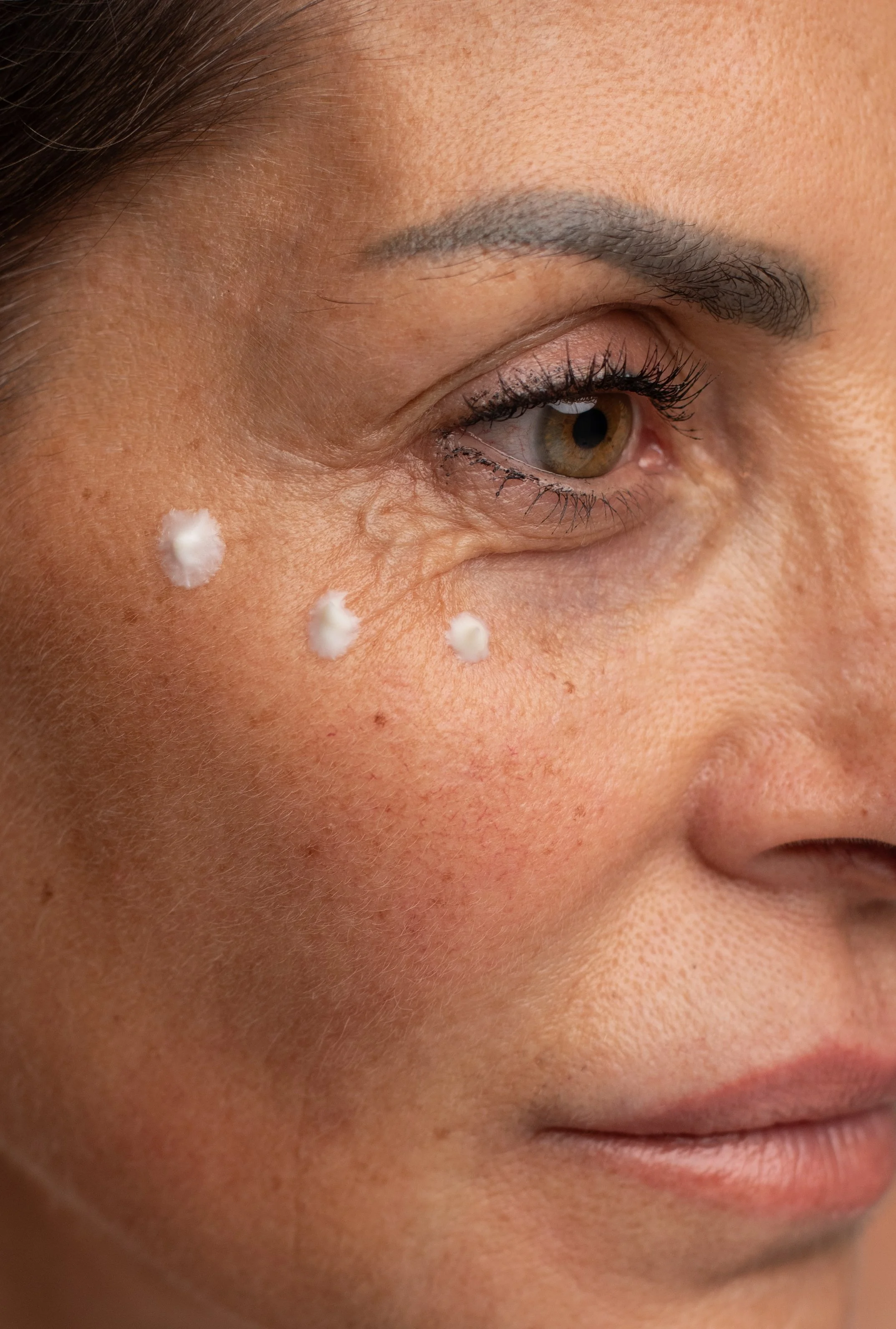
First, let's talk about oestrogen
Oestrogen does far more for your skin than you might realise.
It plays an important role in collagen production, skin thickness, hydration, elasticity and barrier function.
During perimenopause, hormone levels fluctuate. As you move through menopause, oestrogen levels decline more significantly.
And your skin notices.
One of the most interesting findings in dermatology is that skin can lose approximately 30% of its collagen during the first five years after menopause.
Yes, you read that correctly.
That doesn't mean every woman will experience the same changes, but it helps explain why some women feel their skin has aged quite noticeably over a relatively short period.
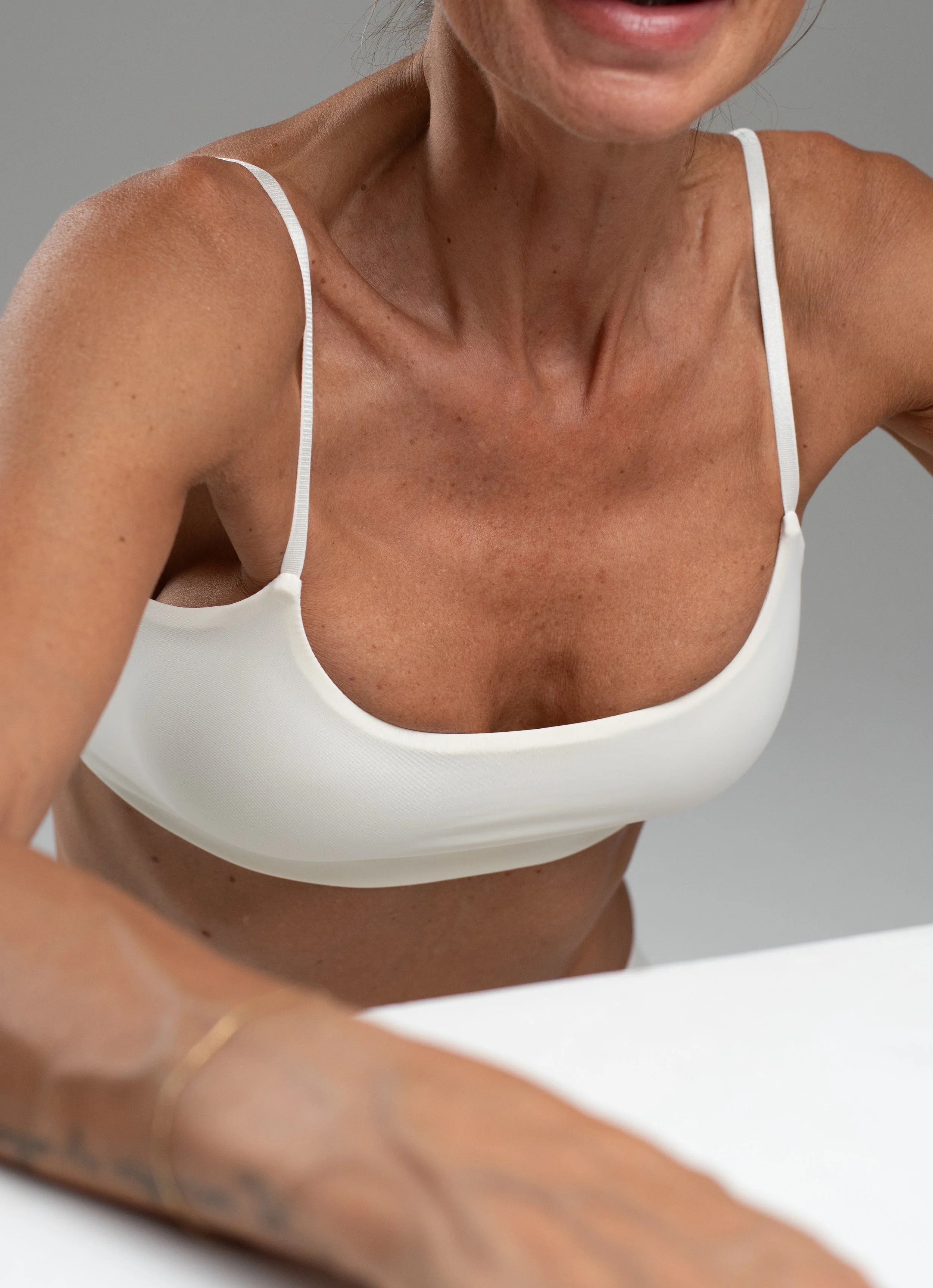
Why your skin suddenly feels different
-
As oestrogen declines, your skin can produce less oil and become less efficient at retaining moisture.
You might notice your skin feeling tight after cleansing, makeup settling differently or your usual moisturiser no longer providing enough comfort.
This isn't necessarily a sign that you need to exfoliate more.
Quite often, it's a sign that your skin needs more support.
-
Collagen provides structure and strength, while elastin helps your skin maintain its flexibility.
As these change, you may start noticing differences around the jawline, cheeks, neck and eye area.
And while we cannot stop the natural ageing process, we can absolutely take steps to support skin quality and address some of these visible changes.
-
I know. As if the hormonal changes weren't enough.
Some women experience acne during perimenopause, particularly around the chin and jawline.
Changes in the balance between oestrogen and androgen hormones can contribute to these breakouts.
But here's where it gets tricky.
Your skin may be breaking out while simultaneously becoming drier and more sensitive.
Which means reaching for aggressive acne products can sometimes make things worse.
-
Products you've happily used for years might suddenly sting.
Your skin may flush more easily, feel reactive or become less tolerant of certain active ingredients.
Hormonal changes can affect skin barrier function, and menopausal flushing can also aggravate existing conditions such as rosacea.
This is why reassessing your skincare routine is so important.
-
Years of accumulated sun exposure can become more noticeable as skin ages.
You might start seeing more visible sunspots, uneven pigmentation or changes in overall skin tone.
Not every pigmentation concern is caused by menopause itself, but hormonal changes and cumulative UV exposure can both influence what you're seeing.
And this is where a proper skin assessment becomes particularly valuable.
Does your skincare routine need to change?
Quite possibly, yes. And this is something I wish more women knew.
The skincare routine that worked beautifully for you at 35 might not be what your skin needs at 45 or 55.
That doesn't mean throwing everything away and starting again. It means understanding what has changed and adjusting accordingly.
For some women, that means introducing richer moisturisers and more barrier supporting ingredients. For others, it might mean reconsidering how frequently they're using exfoliating acids or retinoids.
And for some, it means introducing targeted treatments to address concerns such as collagen loss, pigmentation or texture.
There is no universal menopause skincare routine.
And there shouldn't be.
What about professional skin treatments?
This is where I believe a personalised approach really matters. Menopausal skin doesn't automatically need gentler treatments forever. But it does need to be assessed properly.
Some of the treatments I consider include:
Microneedling
A treatment designed to stimulate the skin's natural repair response and encourage collagen remodelling. It can be particularly useful for concerns such as fine lines, texture and skin firmness, provided the skin is suitable and appropriately prepared.
Clinical Peels
Carefully selected chemical peels can help address uneven skin tone, texture and certain pigmentation concerns. But the type, strength and frequency need to reflect your skin's current condition.
Nano-Needling and Targeted Infusions
For clients wanting to focus on hydration, skin comfort and overall appearance, nano-needling with appropriately selected topical formulations may be an option. It's important to understand that nano-needling is not equivalent to medical microneedling for collagen stimulation.
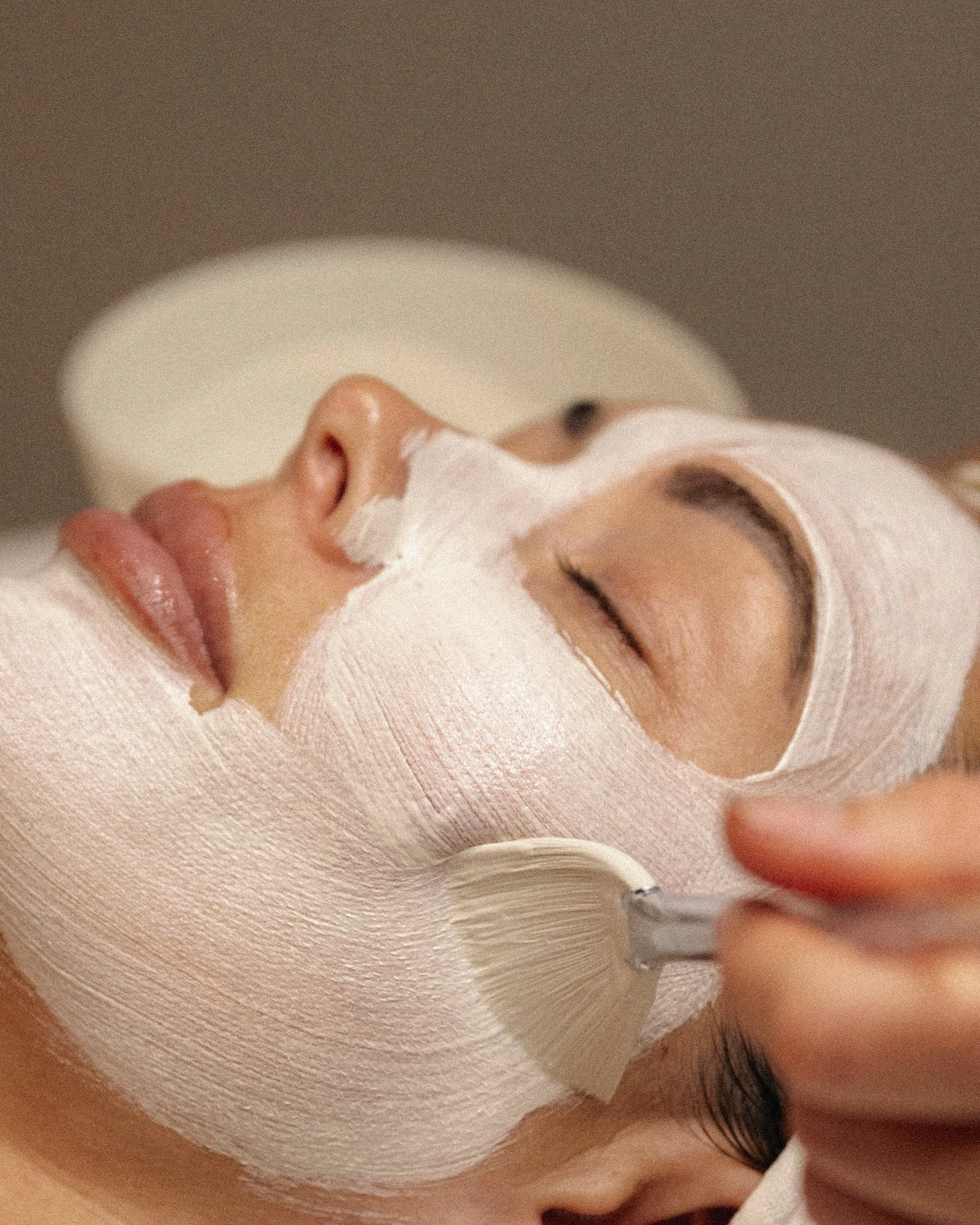
Signature Facial Treatments
Sometimes the priority isn't an intensive corrective treatment. It's replenishing hydration, supporting barrier function and giving your skin the attention it needs before introducing more active treatments.
And there's absolutely nothing wrong with that.
What about hormone replacement therapy?
This is another conversation worth having.
Menopausal hormone therapy, sometimes called HRT, may improve certain skin changes associated with declining oestrogen levels.
However, it isn't generally prescribed solely to improve skin ageing.
If you're experiencing symptoms of perimenopause or menopause, speaking with your GP or a menopause healthcare professional is important.
Skincare can support your skin, but it doesn't replace medical care for hormonal changes.
My approach at The Franklin Facialist
One of the things I find most important when working with skin is recognising that it doesn't remain the same throughout our lives.
Our skin changes with age, hormones, lifestyle, stress, health and environment. And our approach to looking after it should change too.
If you're experiencing perimenopause or menopause and feel like your skin has suddenly become unfamiliar, please know there are ways we can support it.
Sometimes that means rebuilding hydration and barrier function. Sometimes it's introducing targeted clinical treatments. And sometimes it's simply reviewing the products you're already using and making a few thoughtful adjustments.
You don't need to fight your skin through menopause. You need to understand what it's asking for.
My philosophy has always been to work with the skin in front of me, not just the concern someone wants corrected.
Because the goal isn't to make your skin look 25 again.
It's to help your skin look and feel its best at the stage of life you're in now.
Nutthida
The Franklin Facialist