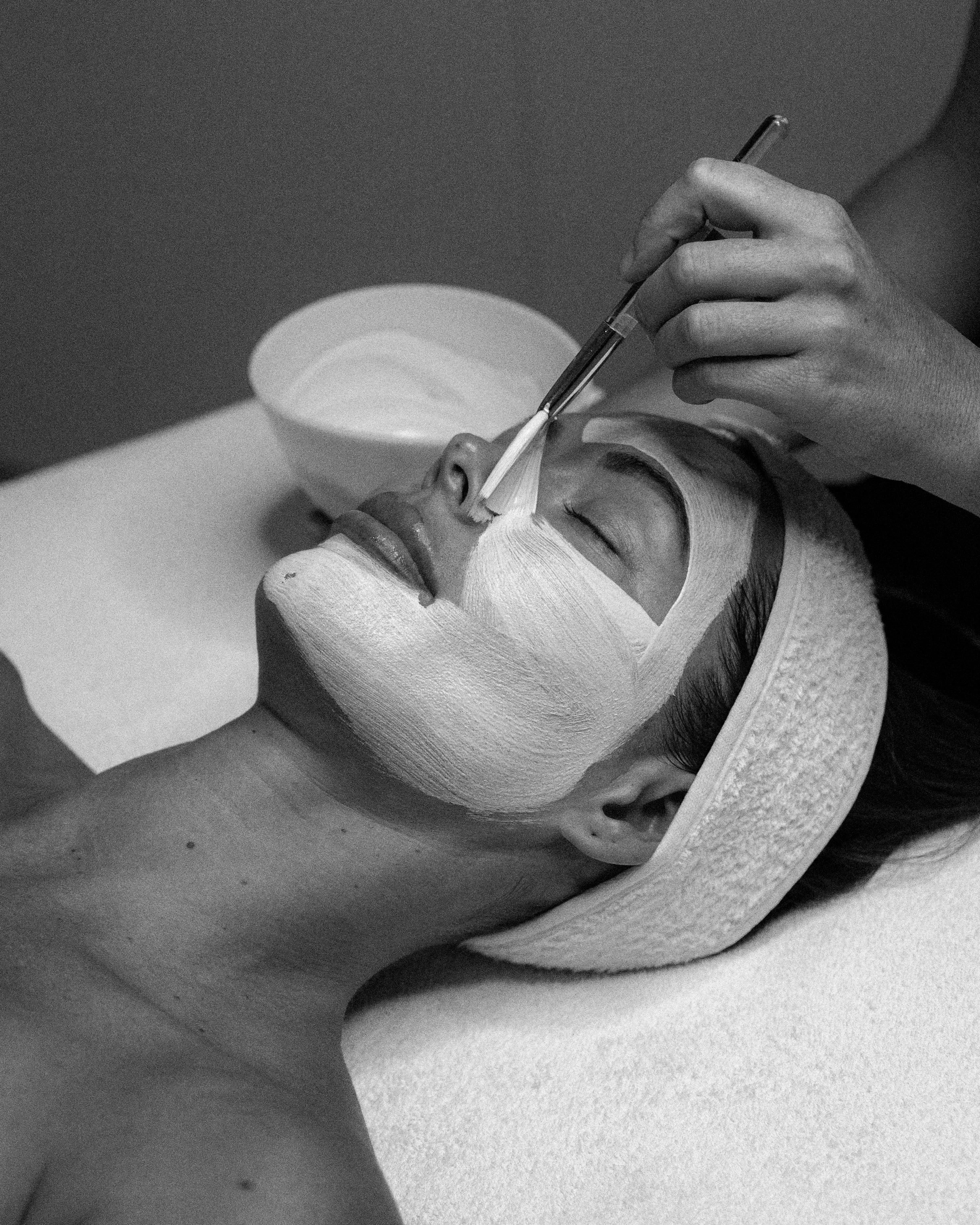
THE SKIN EDIT
Your Skin Barrier: The Most Important Part of Your Skincare Routine You're Probably Overlooking

Because sometimes, the best thing you can do for your skin is less.
Let's talk about something I see far too often in the treatment room.
Skin that's irritated, dehydrated, reactive or suddenly breaking out, despite someone doing absolutely everything they think they should be doing.
The expensive serums. The exfoliating acids. The retinoids. The 10 step skincare routines. And yet, their skin just isn't happy.
Sometimes, the problem isn't that your skincare isn't doing enough. It's that your skin has had enough.
First, what actually is your skin barrier?

Think of your skin barrier as your skin's built in security system.
The outermost layer of your skin, known as the stratum corneum, is made up of skin cells surrounded by a mixture of lipids, including ceramides, cholesterol and fatty acids.
Its job is relatively simple, but incredibly important. It helps keep moisture in, irritants out and your skin functioning the way it should.
When your barrier is healthy, your skin is generally better equipped to maintain hydration, tolerate skincare ingredients and protect itself from everyday environmental stressors.
When it's compromised? That's when things can start getting interesting. And not necessarily in a good way.
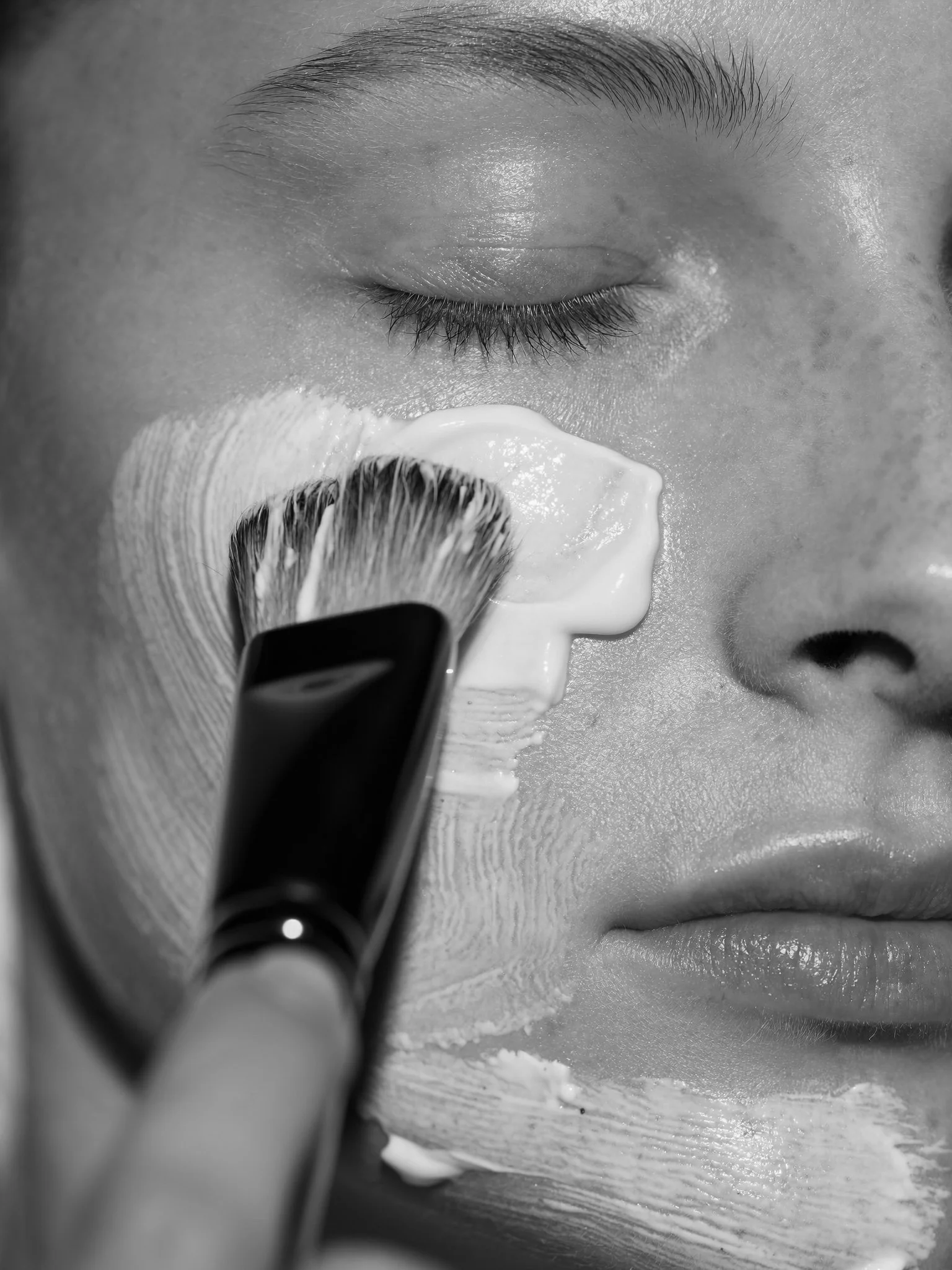
The signs your skin barrier might be struggling
One of the biggest misconceptions I come across is that a compromised barrier always means dry, flaky skin.
It doesn't.
You can have oily skin, acne prone skin or even skin that looks relatively normal and still experience barrier dysfunction.
Some common signs include:
- Products that never used to bother you suddenly sting or burn.
- Persistent tightness, even after moisturising.
- Redness, irritation or increased sensitivity.
- Flaking, rough texture or dehydration.
- Skin that feels oily on the surface but tight underneath.
- Breakouts accompanied by irritation or inflammation.
These symptoms can also occur with conditions such as eczema, rosacea or contact dermatitis, so they aren't always proof of barrier damage.

Are we doing too much to our skin?
This is where I think the skincare industry has a lot to answer for. We've become so focused on active ingredients, exfoliation and achieving results quickly that sometimes we forget about the basic function of the skin itself.
Don't get me wrong. I love active skincare.
Retinoids, exfoliating acids and targeted clinical treatments can be incredibly effective when they're used appropriately. But more isn't always better.
Layering multiple exfoliating products, increasing retinoid strength too quickly, constantly switching skincare or having treatments too frequently can leave skin struggling to keep up.
And here's something worth remembering.
You cannot force your skin into better health by constantly challenging it.
Sometimes, you need to give it the right environment to function properly first.
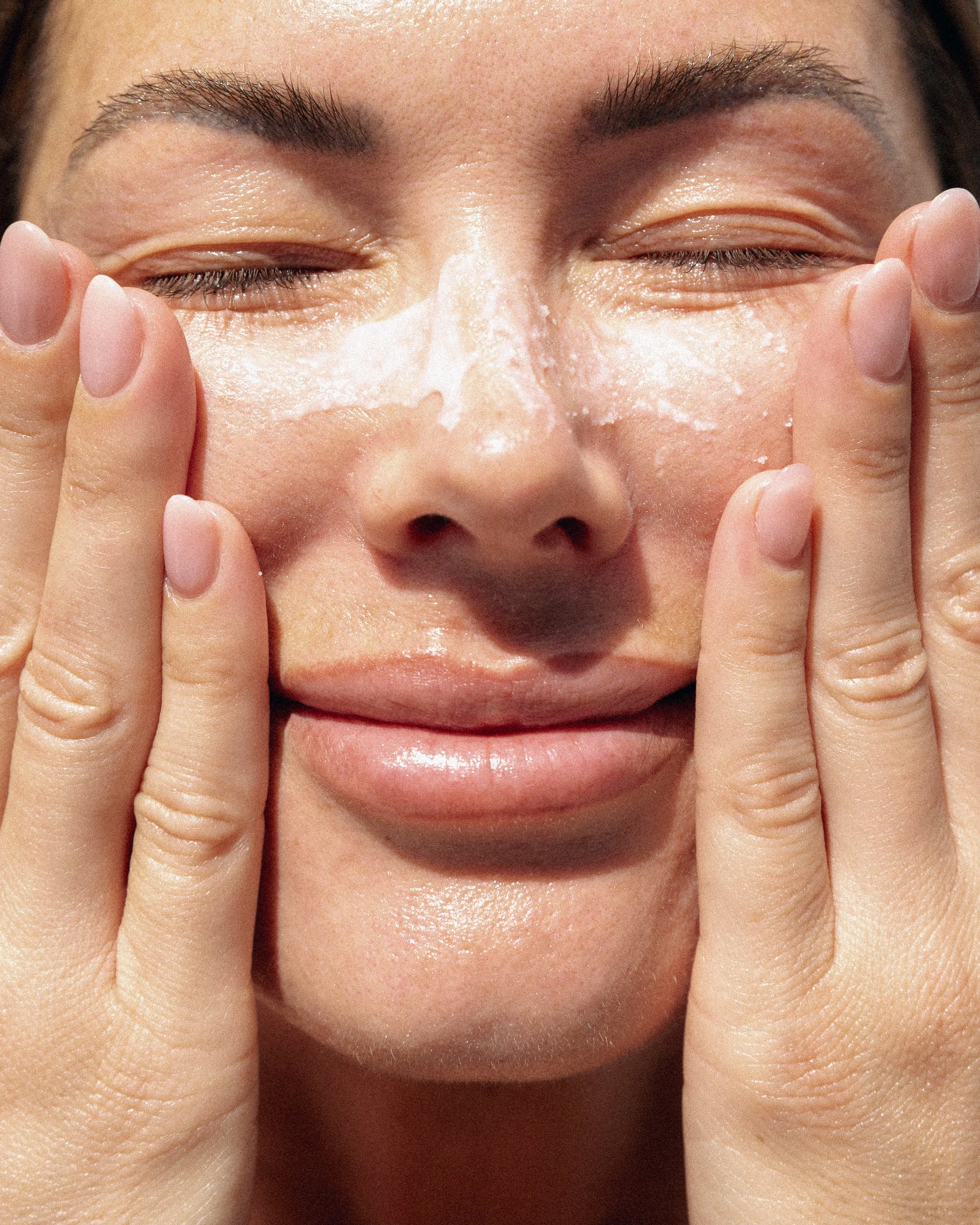
Repairing your barrier doesn't mean abandoning results
This is something I'm particularly passionate about in clinic.
Barrier support and advanced skin treatments are not opposing approaches. They should work together.
In fact, having a well functioning skin barrier is an important part of preparing the skin for treatments such as chemical peels, microneedling and clinical resurfacing.
When I assess someone's skin, I'm not just looking at pigmentation, fine lines, congestion or texture.
I'm also looking at how their skin is functioning.
Is it retaining moisture? Is it reactive? What products are they currently using? How well is their skin tolerating those products?
Because treating the concern without considering the condition of the skin can sometimes create more problems than it solves.

So, how do we support a healthier skin barrier?
It doesn't necessarily require a cupboard full of products.
Start with the fundamentals.
Gentle cleansing. Your skin should feel clean after washing, not stripped, squeaky or uncomfortably tight.
The right moisturiser. Look for formulations that support hydration and replenish barrier lipids, including ingredients such as ceramides, cholesterol and fatty acids.
Consider your active ingredients. You may need to temporarily reduce the frequency or number of exfoliating acids and retinoids you're using, particularly if your skin is irritated.
Daily sun protection. Broad spectrum SPF 50+ is an important part of protecting your skin from UV damage.
Consistency. Skin doesn't always respond well to constant changes. Give an appropriate routine time to work.
And most importantly, understand that not every skin needs the same approach.

My approach at The Franklin Facialist
I've always believed that great skin results come from understanding the skin in front of you, rather than following a one size fits all treatment protocol.
Some clients need stimulation and correction. Others need hydration, replenishment and a period of recovery before we introduce more intensive treatments. And quite often, they need a thoughtful combination of both.
My goal isn't to send you home with the strongest skincare routine possible. It's to create a routine and treatment plan that your skin can actually benefit from, both now and in the long term. Because healthy skin isn't about how many active ingredients you can tolerate. It's about creating skin that functions well, feels comfortable and responds positively to the treatments and products you're investing in.
And sometimes, achieving that means knowing when to do less.
Nutthida
The Franklin Facialist